When PDFs aren’t a trail
Curriculum files keep content. They don’t keep continuity. Here’s what churches actually need when a quarter ends.
Churches are good at collecting PDFs.
Lesson plans. Series outlines. Kids packets. Small-group questions. A Drive folder named Fall 2024 FINAL next to one named Fall 2024 FINAL v2.
Those files can be useful. They are not the same thing as a trail.
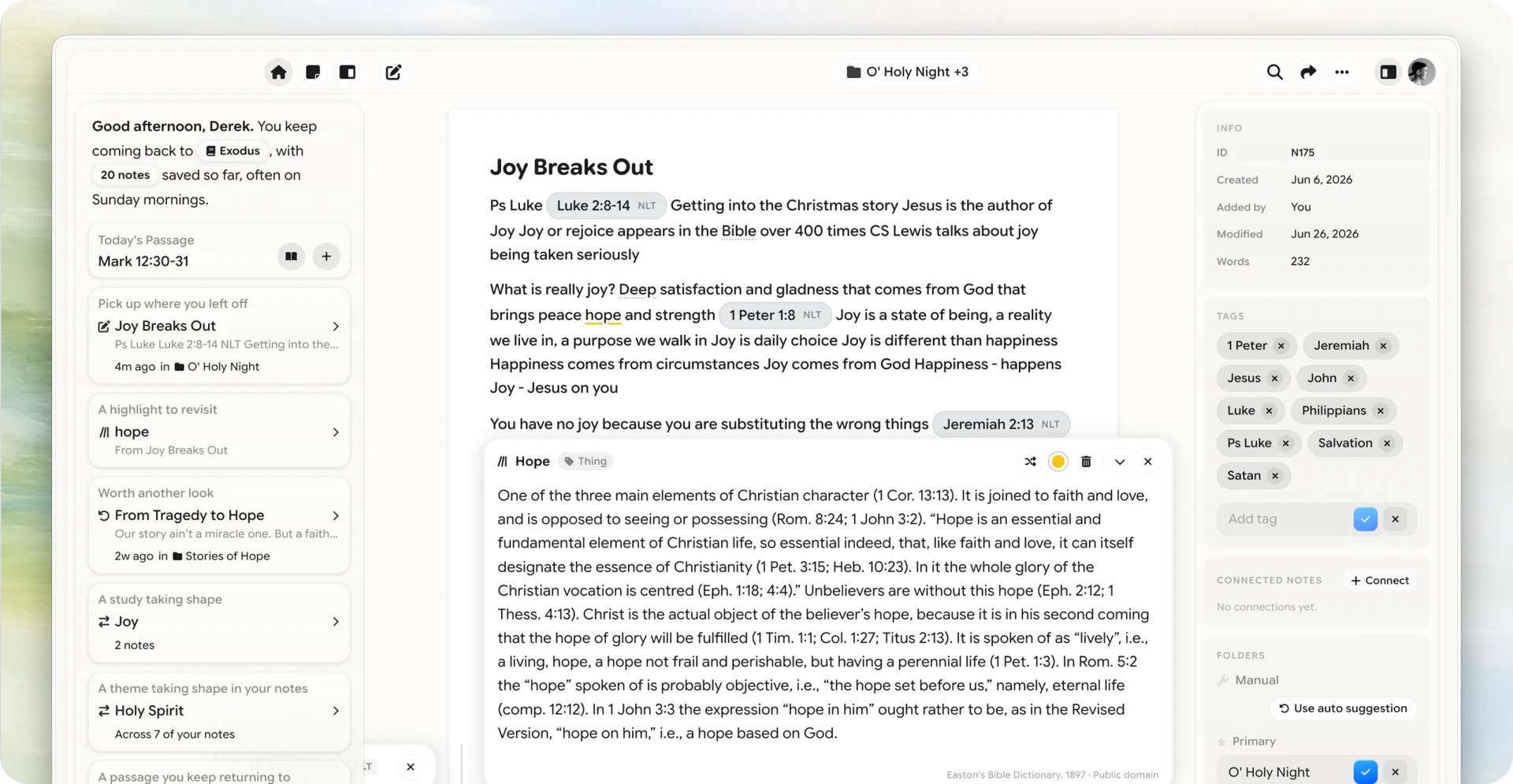
A trail is what a new teacher can reopen and understand what the room has already walked through—passages, aims, questions that landed, loose ends still open. A PDF is often just last quarter’s delivery notes, frozen.
Files keep content
Content is the outline you meant to say.
Continuity is what the people actually carried.
When the only handoff is a zip of worksheets, the next leader inherits paper, not memory. They rebuild the arc from scratch. The church quietly pays that tax every semester.
If you’ve felt church education evaporate by Monday inside one week, multiply that by a leadership change. The fade gets structural.
What a trail includes
Keep this short enough that someone will actually write it down:
- The passage(s) for the unit
- One aim sentence (what you’re after, not a slogan)
- Two questions that opened the room
- One open thread for next time
- Where this sits in a longer series (week 3 of 8, after Easter, before the next book)
That’s enough for a human to continue. It’s not enough to become a ChMS feature checklist.
See what church education systems need for the wider principles.
Where trails should live
Trails fail when they only live in one person’s laptop.
They also fail when “the system” means a portal nobody opens except the admin.
Prefer a place teachers already return to for prep—notes tied to Scripture, not another login for PDFs. Keep your Bible app. Keep Planning Center for people and rooms. Add a working library for the learning itself.
Shared Spaces let a group keep that trail in the same threads, and a church can now keep the plan behind it—each ministry’s teaching, a series that holds its weeks—in the same place. Either way, the principle holds: write the trail where teaching happens, not only where files are stored.
A light staff habit
Once a month, ask three questions in a staff or teacher huddle:
- What did we actually cover (passage + aim)?
- What did people wrestle with?
- What should next month’s leader already know?
Write the answers somewhere findable. Ten minutes. No new binder.
If you can’t answer those three, you don’t have a system yet—you have a content archive.
For churches exploring a notes-first direction, start at Harvous for churches. Bring the trail problem, not a shopping list of integrations.